Mountains, Mayhem and Medicine : Why Real-World Training Saves Lives
- Rhys Dobbs
- Aug 8, 2025
- 3 min read

When an emergency strikes in the back of beyond, time, terrain, and training become the difference between life and death. Whether you're part of a mountain rescue team, an outdoor instructor, a forestry worker, or an adventurous group leader, being equipped with the right skills to manage medical emergencies in remote environments is non-negotiable. That’s where Outdoor First Aid comes in - and more importantly, why Reactive Medical delivers that training in the environments where you’ll actually need to use it.

Why Accredited Outdoor First Aid Matters
Standard first aid simply doesn’t cut it when you’re hours - or even days - from definitive medical care. In the outdoors, you're likely to face:
Extended patient care before help arrives
Adverse weather and environmental challenges
Difficult extrication and limited resources
Communication delays or lack of signal altogether
This means responders need more than just textbook skills. They need real-world, scenario-based training that reflects the unique challenges of remote and hostile environments.
Real Training, Real Environments: The Reactive Medical Difference
At Reactive Medical, we don’t believe in classroom-only learning when lives are on the line in unpredictable outdoor settings. Our Accredited Outdoor First Aid courses and Mountain Safety Courses are designed around one simple principle: Train as you operate.
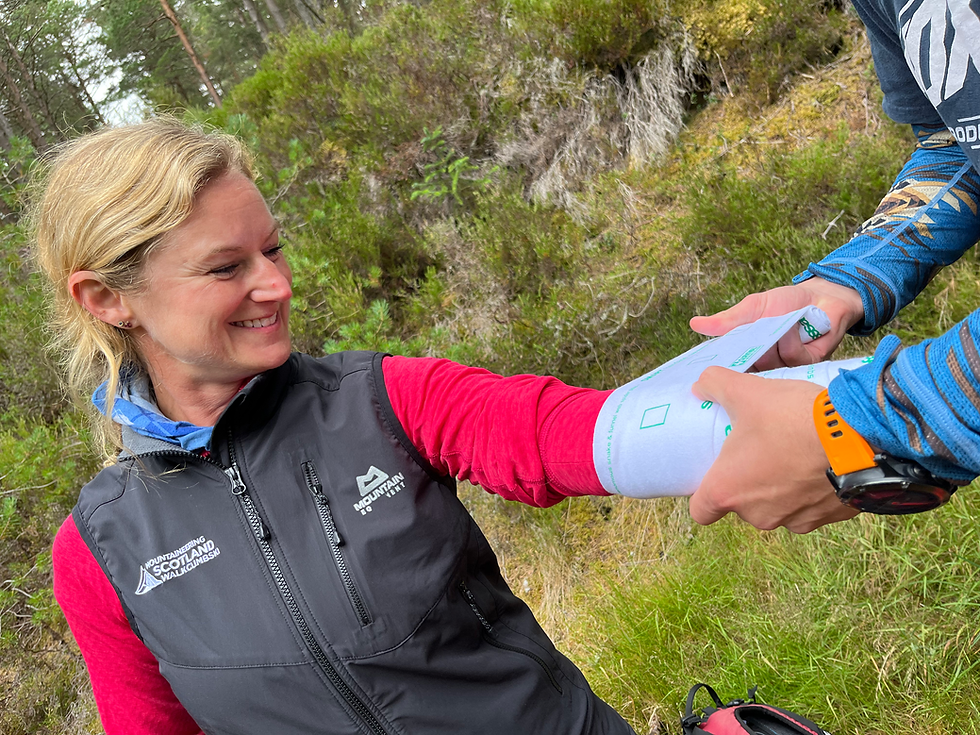
We take your team out into the environment where incidents are most likely to occur—woodlands, mountainsides, coastlines, moorlands—and simulate realistic medical emergencies. From falls and fractures to hypothermia, heat illness, and improvised carries, we build muscle memory and confidence in managing emergencies under pressure.
By learning in real-world conditions, participants experience:
Exposure to unpredictable terrain
Navigation and casualty management in low light
Use of improvised equipment in the absence of full medical kits
Communication protocols for remote or no-signal environments
The ability to think critically and work as a team under stress
This is not just training—it’s mission-ready preparation.
Onsite Training = No Lost Time, No Compromise
One of the biggest barriers organisations face when arranging staff training is the disruption to productivity. Sending your team offsite for multiple days of training means:
Lost work hours
Additional travel and accommodation costs
Reduced team availability at crucial times
That’s why Reactive Medical brings the training to you.
Whether you operate in forestry, construction, outdoor education, event management, or conservation, we can deliver bespoke onsite training that fits around your schedule and location.
This means:
Minimal downtime for your team
Familiarisation with your own site and specific risks
Lower overall training costs
Immediate application of skills in a known environment
We tailor our courses to your needs - whether that’s training your staff in the Brecon Beacons, Remote forestry workers, your own woodlands, sporting estates or an event site.
Who We Train
Our Accredited Outdoor First Aid training is ideal for:
Outdoor instructors and guides
Military veterans transitioning to civilian roles
Forestry workers and conservationists
Emergency services personnel
Schools and Duke of Edinburgh leaders
Search & Rescue and Mountain Rescue volunteers
Film crews and production companies shooting in remote areas
And because we’re veteran-owned and actively support the Armed Forces Covenant, our instructors bring real operational experience, offering high-quality training that’s practical, realistic, and respected.

Follow our socials for more reviews
The Reality of Remote Rescue
Wilderness medicine isn’t just about treating a sprained ankle in a forest. It's about making life-saving decisions when you're hours — or even days — from help. At Reactive Medical, we’ve seen firsthand how vital proper training can be when the mayhem hits.
The wilderness is unforgiving — but with the right training, you don’t have to be unprepared. Whether you're leading expeditions, guiding youth groups, or just heading out solo, investing in proper medical training could save a life. Maybe even yours.


Comments