Training for the High Places: Reactive Medical Visits The Altitude Centre

Before we start this weeks post we are asking for your help - is there something you would like us review or research - click the link below to contact us :)
Now onto the fun stuff -
This week, Reactive Medical had the opportunity to visit The Altitude Centre in London, , one of the UK’s leading centres for altitude training and performance. Our visit took us deep into the fascinating – and sometimes unforgiving – world of human physiology at high altitude, and how the centre is helping adventurers, athletes, and professionals prepare to thrive in the mountains.
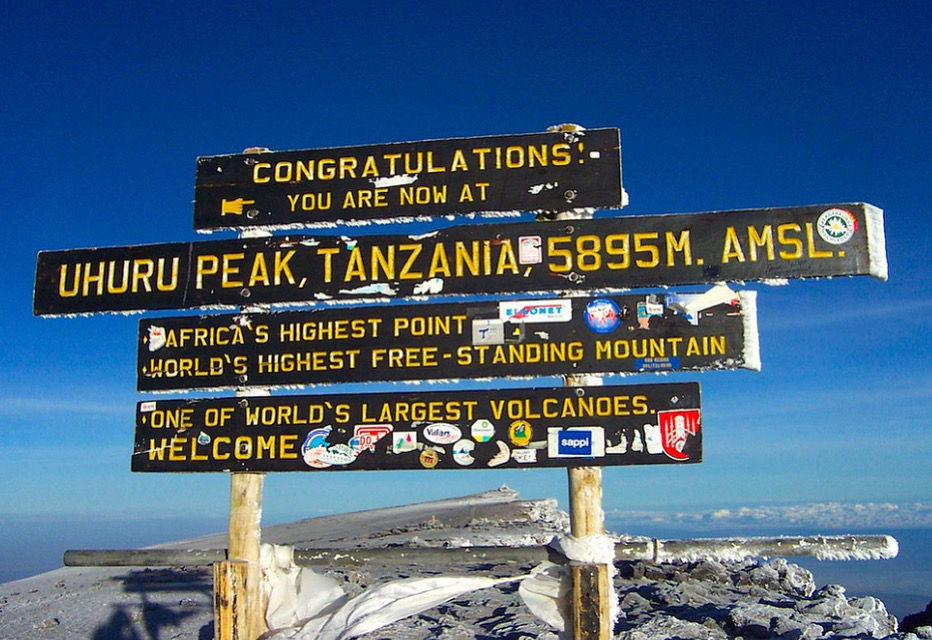
Why Altitude Matters
Mountains are a powerful draw. Whether it’s climbing Kilimanjaro, trekking to Everest Base Camp, or preparing for high-altitude expeditions in the Andes, people are increasingly seeking challenges that take them above the clouds.
But there’s a catch: the higher you go, the thinner the air becomes. At 3,500m (around 11,500ft), the body is already struggling with around 30% less oxygen compared to sea level. By 5,500m, that deficit rises to nearly 50%. For those who haven’t prepared properly, this can spell disaster.
“At altitude, you don’t just battle the mountain, you battle your own physiology.”
Physiological Changes at Altitude
Our conversation covered some of the key changes the body undergoes in thin air:
Hypoxia (low oxygen availability): At altitude, the reduced oxygen pressure makes it harder for the lungs to draw in and transfer oxygen into the blood. Even simple tasks can feel exhausting.
Increased breathing rate: The body compensates by breathing faster and deeper – which helps in the short term, but also leads to dehydration and fatigue.
Changes in blood chemistry: The kidneys respond by excreting bicarbonate, helping the blood adapt to a more acidic environment caused by rapid breathing.
Increased red blood cell production: Over time, the body ramps up production of red blood cells to carry more oxygen. This is one of the major benefits of acclimatisation – but it doesn’t happen overnight.
Altitude sickness: If adaptation doesn’t keep pace, symptoms such as headaches, nausea, and dizziness can develop. In severe cases, high-altitude pulmonary oedema (HAPE) or cerebral oedema (HACE) can become life-threatening.
These changes underline why preparation isn’t optional – it’s essential.
How The Altitude Centre Helps

Located in the heart of London, The Altitude Centre provides a safe, controlled environment to experience altitude before stepping onto a mountain. Using advanced simulation equipment, clients can train their bodies and minds for the challenges ahead.
Here’s how the centre supports climbers, athletes, and professionals:
Altitude simulation chambers: These rooms mimic conditions from 2,000m all the way up to 8,000m, allowing clients to progressively adapt without leaving the UK.
Performance testing: VO2 max, lactate threshold, and hypoxic stress testing give invaluable data on how an individual responds to low-oxygen environments.
Structured training plans: Tailored programmes combine simulated altitude training with fitness, breathing, and recovery strategies to build resilience.
Education & guidance: Perhaps most importantly, The Altitude Centre helps clients understand what their bodies are experiencing, reducing anxiety and improving safety on real expeditions.
Preparation is more than just “getting fitter”: it’s about learning how your body reacts to altitude. By experiencing symptoms in a safe space first, climbers can recognise warning signs and manage them effectively in the field.
Linking Physiology to Performance
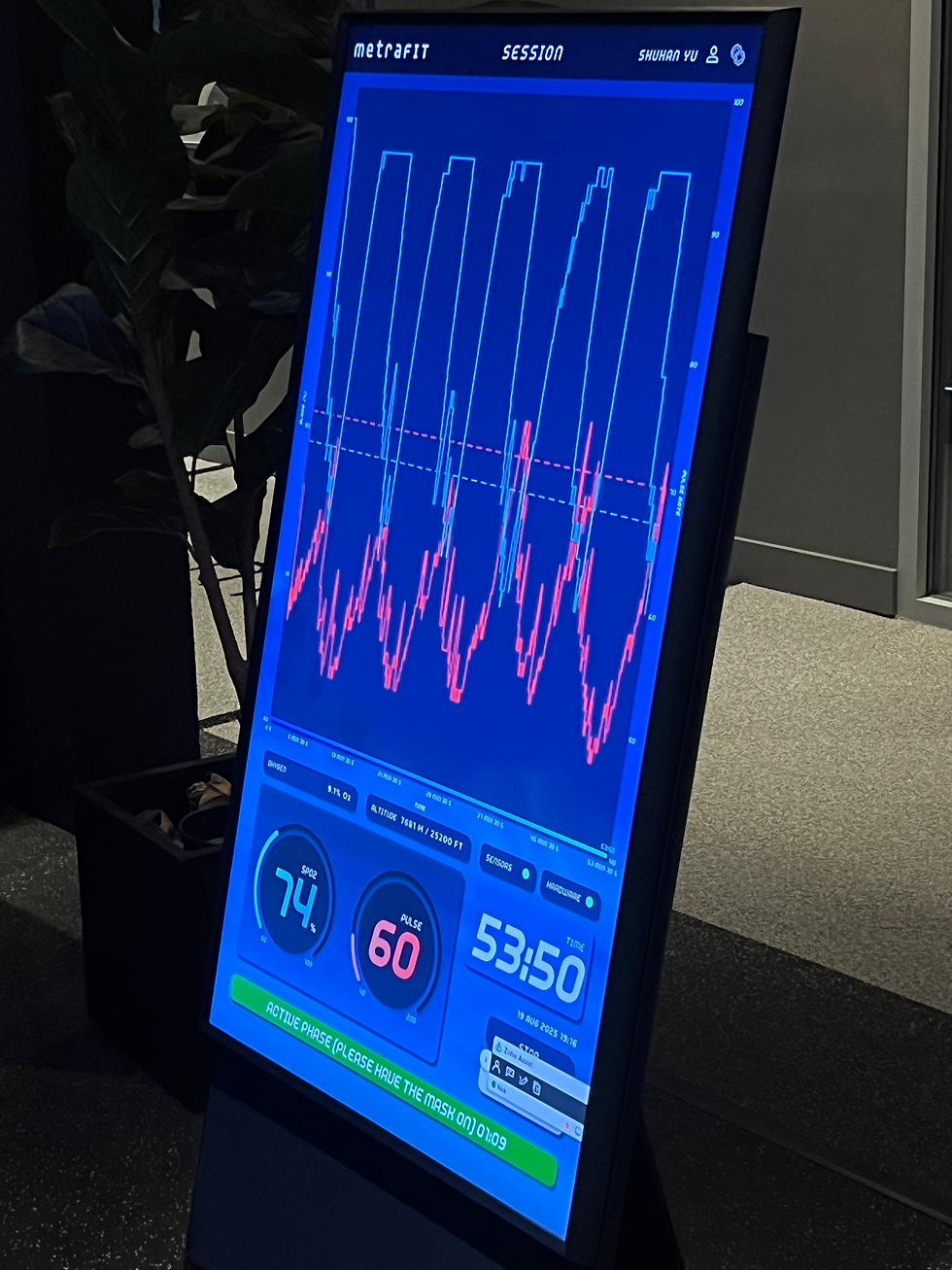
Yin (et al.,2025) suggests there's a the link between physiology and performance. A climber who trains properly at simulated altitude doesn’t just reduce their risk of illness; they also increase their chances of reaching the summit and enjoying the journey. Whilst many people underestimate altitude:
“You can be the fittest person in the gym, but if you don’t prepare your body for altitude, you might find yourself struggling on day two of your trek.”
It’s a humbling reminder that in the mountains, physiology can level the playing field.
Preparing for Your Goals
At Reactive Medical, we often work with clients heading into wilderness or remote environments. Understanding the risks and preparing properly can make the difference between success and evacuation. Visiting The Altitude Centre reinforced that message.
For anyone planning to take on the world’s great peaks – whether it’s a trek to Everest Base Camp, Kilimanjaro, or Mont Blanc – here are some steps to consider:
Learn about altitude: Understand what’s happening inside your body and recognise early warning signs.
Train smart: Don’t just focus on fitness – prepare specifically for the hypoxic stress you’ll face.
Acclimatise gradually: If possible, build extra days into your itinerary for adaptation.
Consider pre-acclimatisation: Using simulated altitude training in London can give you a head start.
Have a medical plan: Know what to do if symptoms appear, and carry the right equipment and medications.
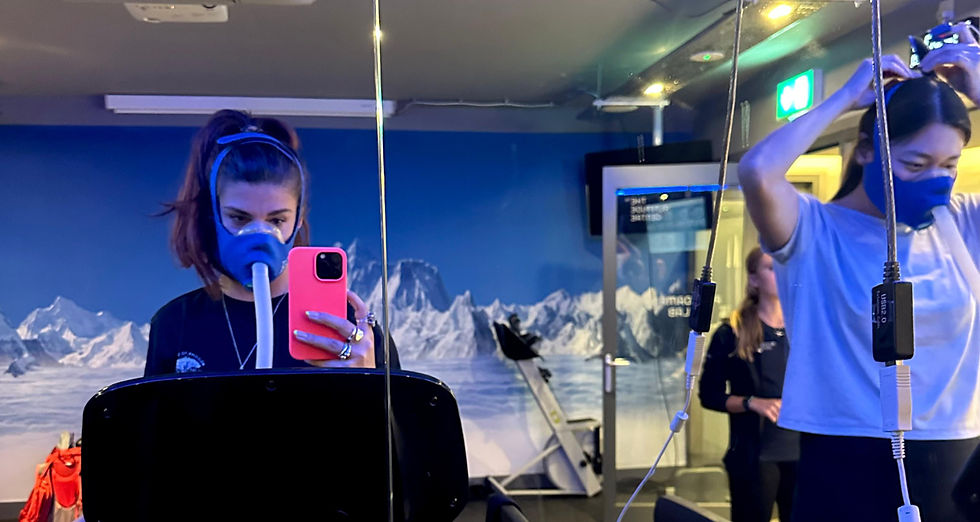
Training @ 5300m
Final Thoughts
Our visit to The Altitude Centre was an eye-opening experience. Highlighting not only the science of altitude but also the practical strategies to overcome its challenges. The mountains will always be demanding – but with the right preparation, they can also be deeply rewarding.
At Reactive Medical, we believe training for the mountains is about more than physical endurance; it’s about understanding, resilience, and readiness. Thanks to places like The Altitude Centre, adventurers now have the tools to prepare for their high-altitude goals more effectively than ever. A visit may just make your summit successful
As ever out online store is up and running, pay it a visit where you may just find yourself with a bargain!
Study of the Week -


Comments